

1. January 15, 1967 — Super Bowl I (originally called the “AFL-NFL World Championship Game”): was played at the Los Angeles Memorial Coliseum. The game was simultaneously broadcast on both CBS, directed by Bob Dailey and NBC, directed by Ted Nathanson and where the NFL’s champion Green Bay Packers defeated the AFL’s champion Kansas City Chiefs 35–10.
2. January 14, 1968 — Super Bowl II: played at the Orange Bowl in Miami, Florida. The CBS broadcast directed by Bob Dailey, televised how the NFL’s Green Bay Packers defeated the AFL’s Oakland Raiders 33–14.
3. January 12, 1969 — Super Bowl III: The first to officially bear the trademark name “Super Bowl.” Ted Nathanson guided the NBC broadcast from the Orange Bowl in Miami, Florida, where the New York Jets defeated the Baltimore Colts 16–7 in what is regarded as one of the greatest upsets in the history of professional sports.
4. January 11, 1970 — Super Bowl IV: In his final Super Bowl, Bob Dailey guided the CBS broadcast from the Tulane Stadium in New Orleans, Louisiana, where the Kansas City Chiefs defeated the Minnesota Vikings 23–7.
5. January 17, 1971 — Super Bowl V: Ted Nathanson guided the NBC broadcast from the Orange Bowl, where the Baltimore Colts defeated the Dallas Cowboys 16–13 in the first Super Bowl game played on artificial turf.
6. January 16, 1972 — Super Bowl VI: Tony Verna, who revolutionized sports broadcasts with the invention of instant replay, helmed his first Super Bowl with CBS’s show from Tulane Stadium in New Orleans, Louisiana, where the Dallas Cowboys defeated the Miami Dolphins 24–3. The kickoff air temperature of 39 °F made this the coldest Super Bowl yet played.
7. January 14, 1973 — Super Bowl VII: Ted Nathanson guided the NBC broadcast from the Los Angeles Memorial Coliseum, where the Miami Dolphins became the first and still the only team in modern NFL history to complete a perfect undefeated season after defeating the Washington Redskins 14–7.
8. January 13, 1974 — Super Bowl VIII: Tony Verna helmed the CBS broadcast from Rice Stadium in Houston, Texas where the Miami Dolphins defeated the Minnesota Vikings 24–7.
9. January 12, 1975 — Super Bowl IX: Ted Nathanson guided the NBC broadcast from Tulane Stadium in New Orleans, where the Pittsburgh Steelers defeated the Minnesota Vikings 16–6.
10. January 18, 1976 — Super Bowl X: Sandy Grossman, who would win the first DGA Award for Sports directing in 1985, made his Super Bowl directing debut for CBS’s broadcast from the Orange Bowl in Miami where the Pittsburgh Steelers defeated the Dallas Cowboys 21–17.
11. January 9, 1977 — Super Bowl XI: Ted Nathanson guided the NBC broadcast from the Rose Bowl in Pasadena where the Oakland Raiders defeated the Minnesota Vikings 32–14.
12. January 18, 1978 — Super Bowl XII: In the first game played in prime time in the Eastern United States, Tony Verna helmed the CBS broadcast from Louisiana Superdome in New Orleans where the Dallas Cowboys defeated the Denver Broncos 27–10.
13. January 9, 1979 — Super Bowl XIII: Ted Nathanson guided the NBC broadcast from the Miami Orange Bowl, where the Pittsburgh Steelers defeated the Dallas Cowboys 35–31.
14. January 20, 1980 — Super Bowl XIV: Sandy Grossman helmed the CBS broadcast from the Rose Bowl in Pasadena where the Pittsburgh Steelers defeated the Los Angeles Rams 31–19.
15. January 25, 1981 — Super Bowl XV: Ted Nathanson guided the NBC broadcast from the Louisiana Superdome in New Orleans where the Oakland Raiders defeated the Philadelphia Eagles 27–10.
16. January 24, 1982 — Super Bowl XVI: Sandy Grossman helmed the CBS broadcast from the Pontiac Silverdome in Pontiac, Michigan, where the San Francisco 49ers defeated the Cincinnati Bengals 26–21.
17. January 30, 1983 — Super Bowl XVII: Ted Nathanson guided the NBC broadcast from the Rose Bowl in Pasadena where the Washington Redskins defeated the Miami Dolphins 27–17.
18. January 22, 1984 — Super Bowl XVIII: Sandy Grossman helmed CBS’s broadcast from Tampa Stadium in where the Los Angeles Raiders defeated the Washington Redskins 38–9.
19. January 20, 1985 — Super Bowl XIX: marking the first time ABC entered the rotation between broadcasts on CBS and NBC, Chet Forte helmed the production from Stanford Stadium, on the campus of Stanford University in Stanford, California, where the San Francisco 49ers defeated the Miami Dolphins 38–16.
20. January 26, 1986 — Super Bowl XX: Ted Nathanson guided NBC’s broadcast from the Louisiana Superdome where the Chicago Bears defeated the New England Patriots 46–10.
21. January 25, 1987 — Super Bowl XXI: Sandy Grossman helmed the CBS broadcast from the Rose Bowl in Pasadena where the New York Giants defeated the Denver Broncos 39–20 to an estimated audience of 87.2 million viewers. The game also originated a tradition where the winning quarterback stated that he was “Going to Disneyworld/Disneyland!”
22. January 31, 1988 — Super Bowl XXII: Larry Kamm made his only Super Bowl directing appearance for the ABC broadcast from Jack Murphy Stadium in San Diego, California where the Washington Redskins defeated the Denver Broncos 42–10, and Super Bowl MVP Doug Williams made history as the first African-American starting quarterback to win a Super Bowl.
23. January 22, 1989 — Super Bowl XXIII: Ted Nathanson had his final Super Bowl directing gig with NBC’s broadcast from Joe Robbie Stadium in Miami where the San Francisco 49ers defeated the Cincinnati Bengals 20–16. With 11 games, Nathanson had directed more Super Bowls than any other, followed by Sandy Grossman with 10.
24. January 28, 1990 — Super Bowl XXIV: Sandy Grossman helmed CBS’s broadcast from the Louisiana Superdome where the San Francisco 49ers defeated the Denver Broncos 55–10.
25. January 27, 1991 — Super Bowl XXV: Craig Janoff made his debut with the first of his three Super Bowl directing gigs during the ABC broadcast from Tampa Stadium in Tampa, Florida where the New York Giants defeated the Buffalo Bills 20–19 in the first Super Bowl to feature two teams representing the same state.
26. January 26, 1992 — Super Bowl XXIV: Sandy Grossman helmed the CBS broadcast from the Hubert H. Humphrey Metrodome in Minneapolis, Minnesota where the Washington Redskins defeated the Buffalo Bills 37–24. This was also the first time that a major television network successfully scheduled Super Bowl counterprogramming when Fox aired a special live football-themed episode of its popular sketch comedy show In Living Color during the halftime show.
27. January 31, 1993 — Super Bowl XXVII: John Gonzalez made his Super Bowl directing debut for the NBC broadcast from the Rose Bowl in Pasadena where the Dallas Cowboys defeated the Buffalo Bills 52–17. Gonzalez would direct three more Super Bowls.
28. January 30, 1994 — Super Bowl XXVIII: In the first back-to-back Super Bowl directing assignment since Bob Daily in 1967-1968, John Gonzalez guided the NBC broadcast from the Georgia Dome in Atlanta where the Dallas Cowboys defeated the Buffalo Bills 30–13.
29. January 29, 1995 — Super Bowl XXIX: Craig Janoff shepherded ABC’s broadcast from Joe Robbie Stadium in Miami where the San Francisco 49ers defeated the San Diego Chargers 49–26. The telecast made advertising history as the cost of a 30-second commercial crossed the $1 million-dollar threshold.
30. January 28, 1996 — Super Bowl XXX: John Gonzalez guided NBC’s broadcast from the Sun Devil Stadium in Tempe, Arizona where the Dallas Cowboys defeated the Pittsburgh Steelers 27–17. The estimated 94.08 million viewers broke the record at the time for the most-watched sporting event ever on American television and was the second-most watched television program of all time behind the final episode of M*A*S*H in 1983.
31. January 26, 1997 — Super Bowl XXXI: Making their debut into the rotation between ABC, CBS and NBC, Super Bowl veteran Sandy Grossman helmed the FOX production from the Louisiana Superdome in New Orleans where the Green Bay Packers defeated the New England Patriots 35–21.
32. January 25, 1998 — Super Bowl XXXII: John Gonzalez guided his final Super Bowl with the NBC broadcast from Qualcomm Stadium in San Diego where the Denver Broncos upset the heavily favored Green Bay Packers 31–24.
33. January 31, 1999 — Super Bowl XXXIII: Sandy Grossman guided FOX’s production from Pro Player Stadium in Miami where the Denver Broncos defeated the Atlanta Falcons 34–19.
34. January 30, 2000 — Super Bowl XXXIV: In the last Super Bowl of the 20th Century, Director Craig Janoff shepherded the ABC broadcast from the Georgia Dome in Atlanta where the St. Louis Rams defeated the Tennessee Titans 23–16. The game has been called the “Dot-com Super Bowl” for the large amount of ads purchased by dot-com companies.
35. January 28, 2001 — Super Bowl XXXV: Ushering in the new millennium at the start of 21st Century, Larry Cavolina made his Super Bowl debut with the CBS broadcast from Raymond James Stadium in Tampa, Florida where the Baltimore Ravens defeated the New York Giants 34–7.
36. February 3, 2002 — Super Bowl XXXVI: After ten times in the saddle, Sandy Grossman finally bid adieu to the Super Bowl directing booth with the FOX broadcast from the Louisiana Superdome in New Orleans where the New England Patriots defeated the St. Louis Rams 20–17.
37. January 26, 2003 — Super Bowl XXXVII: In his Super Bowl debut, Drew Esocoff shepherded the ABC broadcast from the Qualcomm Stadium in San Diego where the Tampa Bay Buccaneers defeated the Oakland Raiders 48–21. Advertising costs crossed the $2 million dollar threshold for a 30-second spot.
38. February 1, 2004 — Super Bowl XXXVIII: Larry Cavolina helmed the CBS broadcast from Reliant Stadium in Houston, Texas where the New England Patriots defeated the Carolina Panthers 32–29. The game is also known for its controversial halftime show directed by Beth McCarthy-Miller with the infamous Janet Jackson/Justin Timberlake “wardrobe malfunction.”
39. February 6, 2005 — Super Bowl XXXIX: Artie Kempner made his Super Bowl debut with FOX’s broadcast from Alltel Stadium (now EverBank Stadium) in Jacksonville, Florida where the New England Patriots defeated the Philadelphia Eagles 24–21.
40. February 6, 2006 — Super Bowl XL: Drew Esocoff shepherded the ABC broadcast from Ford Field in Detroit, Michigan where the Pittsburgh Steelers defeated the Seattle Seahawks 21–10.
41. February 4, 2007 — Super Bowl XLI: Mike Arnold helmed his first Super Bowl with CBS’s broadcast from the Dolphin Stadium in Miami Gardens, Florida where the Indianapolis Colts defeated the Chicago Bears 29–17. While the broadcast of the game was watched by an estimated average of 93.2 million viewers, the halftime show, headlined Prince, peaked at 140 million viewers.
42. February 3, 2008 — Super Bowl XLII: Artie Kempner helmed the FOX production from the University of Phoenix Stadium in Glendale, Arizona where the New York Giants defeated the heavily favored Patriots by 17–14 in what is widely considered one of the biggest upsets in the history of professional North American sports.
43. February 1, 2009 — Super Bowl XLIII: Drew Esocoff guided the NBC broadcast from the Raymond James Stadium in Tampa where the Pittsburgh Steelers defeated the Arizona Cardinals 27–23 and a 30-second ad cost $3 million.
44. February 7, 2010 — Super Bowl XLIV: Mike Arnold helmed the CBS broadcast from the Sun Life Stadium (now Hard Rock Stadium) in Miami Gardens, Florida where the underdog New Orleans Saints upset the Indianapolis Colts 31–17. The Saints’ win was seen as a major morale boost for the city of New Orleans following the devastation caused by Hurricane Katrina in 2005.
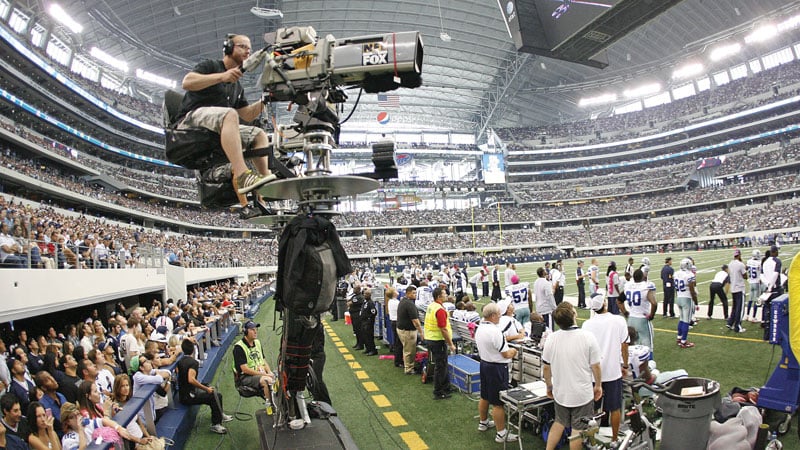
45. February 6, 2011 — Super Bowl XLV: DGA 2025 Sports Directing Award nominee Rich Russo made his Super Bowl directing debut for the FOX production from AT&T Stadium in Arlington, Texas, where the Green Bay Packers defeated the Pittsburgh Steelers 31–25 during a broadcast that averaged about 111 million viewers.
46. February 5, 2012 — Super Bowl XLVI: Drew Esocoff guided the NBC broadcast from Lucas Oil Stadium in Indianapolis where the New York Giants defeated the New England Patriots 21–17 during a game with an estimated total audience of 166.8 million, meaning over half of the American population watched at least some of the initial broadcast.
47. February 3, 2013 — Super Bowl XLVII: Mike Arnold helmed the CBS broadcast from the Mercedes-Benz Superdome in New Orleans where the Baltimore Ravens defeated the San Francisco 49ers 34–31 in the first Super Bowl to be played there since Hurricane Katrina struck the city in 2005.
48. February 2, 2014 — Super Bowl XLVIII: Rich Russo helmed the FOX production of the first Super Bowl played outdoors in a cold-weather city — MetLife Stadium at the Meadowlands Sports Complex in East Rutherford, New Jersey — where the Seattle Seahawks defeated the Denver Broncos 43–8. The game also featured an inaugural Spanish-language telecast on Fox Deportes directed by XXXXX. Advertising costs soared to $4 million for a 30-second commercial.
49. February 1, 2015 — Super Bowl XLIX: Drew Esocoff guided the NBC broadcast from the University of Phoenix Stadium in Glendale, Arizona where the New England Patriots defeated the Seattle Seahawks 28–24.
50. February 7, 2016 — Super Bowl 50: Mike Arnold helmed the CBS broadcast from the Levi’s Stadium in Santa Clara, California where the Denver Broncos defeated the Carolina Panthers 24–10. As the game was the golden anniversary of the Super Bowl, the league suspended the tradition of Roman numerals (under which the game would have been known as “Super Bowl L”). The NFL went back to Roman numerals the next year for Super Bowl LI.
51. February 5, 2017 — Super Bowl LI: Rich Russo helmed the FOX production from the NRG Stadium in Houston, Texas where the New England Patriots defeated the Atlanta Falcons 34–28 in the first Super Bowl to be decided in overtime. A 30-second ad would cost $5 million.
52. February 4, 2018 — Super Bowl LII: Drew Esocoff guided the NBC broadcast from the U.S. Bank Stadium in Minneapolis, Minnesota where the Philadelphia Eagles defeated the New England Patriots 41–33.
53. February 3, 2019 — Super Bowl LIII: Mike Arnold helmed the CBS broadcast from the Mercedes-Benz Stadium in Atlanta where the New England Patriots defeated the Los Angeles Rams 13–3.
54. February 2, 2020 — Super Bowl LIV: Rich Russo helmed the FOX production from the Hard Rock Stadium in Miami Gardens, Florida where the Kansas City Chiefs defeated the San Francisco 49ers 31–20.
55. February 7, 2021 — Super Bowl LV: Mike Arnold helmed the CBS broadcast from the Raymond James Stadium in Tampa, Florida where the Tampa Bay Buccaneers defeated the Kansas City Chiefs, 31–9 in the least-attended Super Bowl due to COVID-19 protocols limiting the stadium’s seating capacity to 25,000 fans.
56. February 13, 2022 — Super Bowl LVI: Drew Esocoff guided the NBC & Peacock broadcast where from their home, SoFi Stadium in Inglewood, California, the Los Angeles Rams defeated the Cincinnati Bengals 23–20. A 30-second ad would cost $6.5-7 million.
57. February 12, 2023 — Super Bowl LVII: Rich Russo helmed the FOX production from the State Farm Stadium in Glendale, Arizona where the Kansas City Chiefs defeated the Philadelphia Eagles 38–35.
58. February 11, 2024 — Super Bowl LIII: Mike Arnold helmed CBS’s broadcast was from Allegiant Stadium in Paradise, Nevada where the Kansas City Chiefs defeated the San Francisco 49ers 25–22 in an overtime game that was the longest Super Bowl in NFL history. The game was also broadcast on youth-oriented Nickelodeon, and Spanish-language network Univision and became the most watched program in American television history, with a total of 123.7 million average viewers across all platforms.
59. February 9, 2025 — Super Bowl LIX: Rich Russo helmed the FOX production from the Caesars Superdome in New Orleans where the Philadelphia Eagles defeated the Kansas City Chiefs 40–22. The game was also streamed on Tubi.
60. February 8, 2026 — Super Bowl LX: Director Drew Esocoff and his team guided the NBC & Peacock broadcast from Levi’s Stadium in Santa Clara, California where the Seattle Seahawks defeated the New England Patriots 29–13 and the halftime show directed by Hamish Hamilton featured Puerto Rican Rap artist Bad Bunny who sang in Spanish.