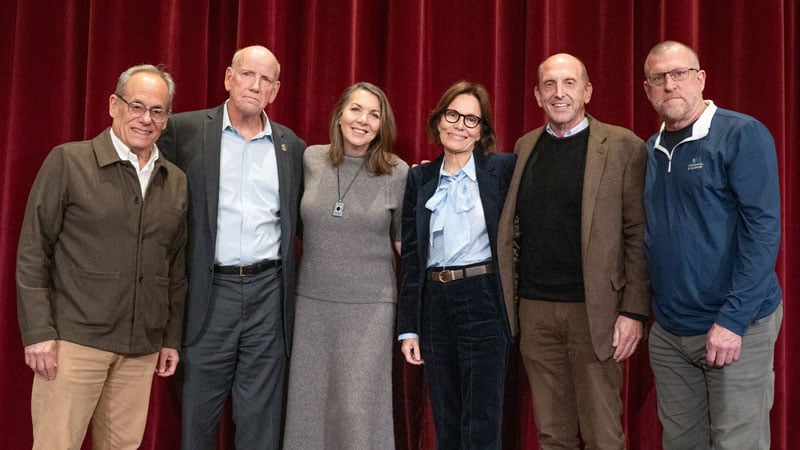
 Director Dana J. Kuznetzkoff
 Director Julie Rowen
 Theatrical Teamsters Local 817 President Thomas J. O’Donnell
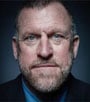 New York City Fireman Tim Brown
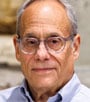 9/11 Memorial Museum Executive VP & Director Clifford Chanin
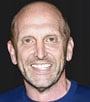 Director Mark Rowen (moderator)
Photos by Marcie Revens • Print Courtesy of Remembering 9/11, LLC
After the towers fell, New York City filled with smoke, sirens, and impossible choices. Civilian volunteers, many from the entertainment industry used their equipment, skills, and crews to help Ground Zero endure the unthinkable. Directors Dana J. Kuznetzkoff & Julie Rowen’s new documentary, 9/11 Untold Stories features interviews with several DGA members, as well as perspectives from other industry staples such as Theatrical Teamsters Local 817 President Thomas J. O’Donnell, Local 52 members and testimonials from former FDNY Commissioners and Office of Emergency Management Supervisors who all state unequivocally that rescue and recovery efforts would have been severely hampered without the help of the entertainment industry.
In recognition of the 25th anniversary of 9/11 and the contributions of the entertainment industry unions to post 9/11 recovery efforts, on October 22 the Eastern Region Special Projects Committee hosted a special screening the film, followed by a panel discussion with the Directors and other notables including O’Donnell, 9/11 Memorial Museum Executive VP & Director Clifford Chanin, and retired veteran New York City fireman Tim Brown in a conversation moderated by Director Mark Rowen.
Following a welcome by DGA National Vice President Laura Belsey, the panelists took the stage for a conversation about the film and how the industry stepped up in the face of disaster.
During the conversation, Kuznetzkoff and Julie Rowen spoke about the making of the film.
“It's a story that's been with me since that day,” said Kuznetzkoff. “I volunteered in the days after serving food and whatever else I could do. I was cleaning through my things and found a poster for Election Day dated to September 11, 2001. It was supposed to be just another normal day, and I felt this poster needed to be preserved. I donated it to the 9/11 museum and spoke to Cliff Chanin there and he asked me to tell the story of the film industry volunteers. That was the start of making this documentary.”
Julie Rowen described the challenges of telling a story from 25 years ago and having the goal to be inspiring the next generation. She was struck by people telling the story of how normal a day it was and wanted to highlight the story of how a city comes back from such a tragedy. Rowen added that it was with the goodness of humanity and the community that rushed in to help that made it possible.
For Brown, the event evoked memories of the heroism he witnessed as he described his experience as a fire fighter at the World Trade Center that day and surviving. Brown noted that the film hits on two stories not told— the film industry using their skills to volunteer and help firefighters, police and first responders and the story of how the 9/11 Museum, in its creation, has never wavered from telling the truth. He describes being a witness to the film industry volunteers being there with them and called it “a breath-taking thing. The whole industry came to help us and stayed. They showed their humanity.”
O’Donnell recalled how his union was supposed to start negotiations with the studios that day and how the industry was down for the week. He revealed that he got calls from city and FEMA to see if the Teamsters could provide power and lights at Ground Zero. He described how he asked his members to volunteer while there was no work happening and they jumped at the chance. They were able to provide 25-30 volunteers each day all day and night volunteering in 12-hour shifts.
Chanin spoke about collecting stories and accounts for the 9/11 Museum and said, “It's been an extraordinary sense of discovery and changing as a person as it was happening. When we got to the core of the story of the first-person accounts, we came to understand that each branch needed a special story of their own part of the 9/11 story. FDNY is a culture of their own, NYPD has its own, PAPD, EMT, etc. We compiled the stories and eventually compiled them into a training for the new probationary recruits coming in. We were telling the story of their group to them – to tell them their responsibility is to do what those people did that day. We do it for the FBI, EMTs, Port Authority. To do these jobs you need to know your ‘why’ and the museum connects their ‘why.’”
ABOUT THE PANELISTS:
|
|
|
|
|
|
|
|
|
|
|
|