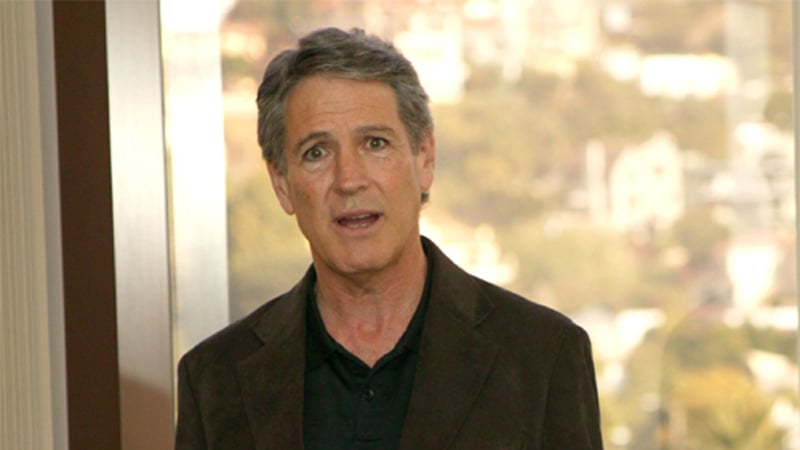
“I joined the Guild as a multi-camera Stage Manager, then successfully transitioned to single-camera,” said Western AD/SM/PA Council member Gary Stella, co-moderator and driving force behind the seminar. “I’ve had several DGA members working in multi-camera call me to come and observe a single-camera show I was working on because they wanted to learn the differences, and that’s how this seminar was born.”
“I grew up in live television and even after I made a career in films, I always kept a foot in the video side of things,” said Western AD/UPM/TC Council Chair Cleve Landsberg. “What you’ll hear today is how to bridge the gap, and where the work opportunities are. It’s critical for every one of us to be as versatile in our work as possible and learn as much as we can about the different ways of doing things as our business changes.”
“Cultural and technological forces are at work that will change the concept of movies as we have known them,” added AD/UPM Mentor Committee Chair Randy Turrow, who also served as co-moderator. “No one knows what the next dominant art-form will be. Our goal as Guild members is not to pigeon-hole ourselves, therefore it’s an appropriate time to look ahead and project how DGA AD/SMs and AD/UPMs will grow and adapt in the next 20 years, and what better place to start than with our veteran members who are experienced at doing these transitions.”
The panelists included Director John Aguirre, Second AD Vince Duque, SM Lee H. Grant, DGA Board Member/AD Barbara J. Roche, AD/UPM/TC Council First Vice Chair/DGA Second Alternate Board Member Elena Santaballa, UPM Warren R. Turner, and director Linda Mendoza. Most of the panelists had worked both in multi and single-camera and were ready to provide their expertise to other members wishing to diversify their talents.
After a brief survey to see where most of the attendees were originating from, the panel broke down the concept of transitioning, covering the DGA Contract Administration which maintains the lists of qualified individuals who have met the minimum requirements for work in single camera categories and the paperwork needed for same. Then they explained the DGA’s contractual rules including Article 24 of the DGA Basic Agreement. Then they gave an overview of single-camera versus multi-camera projects, revealing the differences in a Director's responsibilities in both formats and how that affects the AD team, as well as the differences in paperwork, vocabulary, and job descriptions.
The next portion of the seminar was called the “Technical Toolkit” and covered the duties of the First and Second ADs in prep, and during the shoot. The final panel-driven section of the seminar gave an overview of the distinct qualities and atmosphere of a feature, compared to those of an episodic show, and revealed tips on such items as workplace politics, building the relationship with the crew and how to get hired.
The remainder of the time was spent on a Q&A session where attendees were able to pick the brains of the panelists on a variety of subjects. The participants were also provided with handouts that included a suggested list of reading materials and a DVD that contained multi-camera/single-camera terminology comparison charts, as well as sample breakdowns, schedules, and budgets.
Members seeking to create opportunities for themselves to work on both single and multi-camera productions came away well-armed from this seminar. And with the information and materials provided that morning, those desiring to make the transition will be better able to take the skills and strengths already in their possession and apply them to a new environment.