Is the world ready for Pimp My Bride, Hell’s Bathroom or Extreme Makeover: U.S. Government Edition? No one knows where reality television is heading content-wise, but as DGA Secretary-Treasurer Gil Cates noted at a recent mixer for reality TV professionals, the Guild is ready for any twist in this evolving genre.
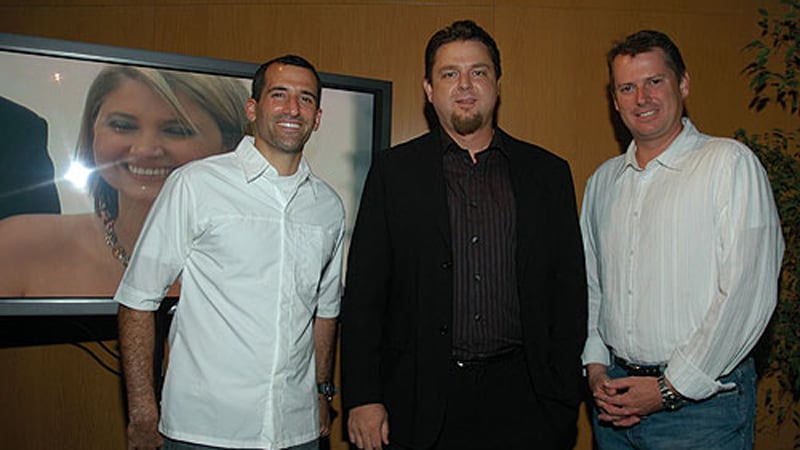
To foster closer ties with reality TV producers, the DGA brought together more than 120 industry vets for a cocktail reception on Sept. 7, 2006 at the Guild’s Los Angeles headquarters. The mixer, “Now That’s Reality,” was well received by the attending network executives, producers, agents, directors and other Guild members. Cates and 5th Vice President Betty Thomas welcomed the guests, noting the unique opportunity for colleagues in this field to meet in an informal setting.
“With more than 100 shows having signed Guild reality agreements to date, and producers becoming increasingly comfortable working with us, we wanted to take the time to celebrate these new working relationships between reality producers and Guild directors as well as get the word out to those producers who may not know about the advantages of working DGA,” Thomas said. Guests were reminded that the DGA’s Reality Television Agreements can be tailored to the unique needs of each show, given the varied approaches producers take in the evolving field. “And a DGA director can give you the advantage, in terms of leadership, craft and experience, to standout in the field, hedge your risk, and win that coveted spot on the TV dial,” she added.
Thanks were made to the Reception Host Committee, the chairs of the DGA Reality Television Committee – J. Rupert Thompson, Tony Croll and Craig Borders - and Committee member Dennis Rosenblatt for putting the first-of-its-kind event together. “The committee felt it was important to hold an event like this to promote our new Agreements not only in the production community but the guild community,” Borders said. “There’s a lot of people out there who aren’t aware of how flexible the Guild is about creating agreements that are symbiotic for production companies, the networks and DGA members.” Croll echoed that goal: “We’re trying to get the word out on how flexible the DGA is and how willing and interested we are to work with everybody from large to small production companies,” he said. “Bringing these people together in a social environment seemed like an easy way for everyone to get that message.”
DGA member and producer Leslie Greif was among those in attendance who recognizes the value of the Reality Television Agreements and welcomed the opportunity to talk about it with his peers. “I think this is a stellar opportunity for all of us to get together and discuss where the 21st Century production is going. I feel the DGA spearheads creative collaboration with an understanding of the business needs of both sides. They’re not rigid and dormant in their thinking – they’re progressive and proactive in their approach.”
The Guild’s Reality Television Agreements allow producers to save time and money by relying on the experience of a DGA member who knows how to get the right shot the first time. Since different shows have different needs, the Agreements offer flexible staffing provisions, including a full negotiable Director’s minimum rate in Basic Cable, and requires additional staffing only as needed. Reality production companies can also sign with the Guild on a show-by-show basis.
Thompson said he was thrilled with the turnout and the range of reality TV professionals who participated: “It really shows that the Guild’s outreach is working and is having an effect on everyone from the network level down to the cable level. Everyone is starting to get how user-friendly the Reality Agreements are, that it’s a non-issue for cable operators and cable programmers to take their shows Guild.”