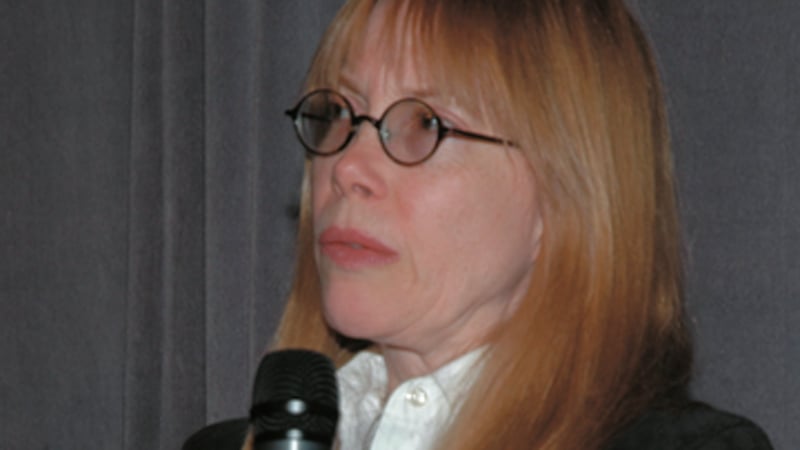
The panel members, who have worked on films with budgets ranging anywhere from $250,000 to $100 million, noted that it doesn't always take a big budget to draw big stars - though it does help. "You certainly have to fight a lot harder to get a 'yes' from the talent pool when there's less pay," said Marin, though, as Fiorentino noted, a smaller budget picture can appeal to actors, as well. "It really starts with the material. Actors these days just want to work, and they want to work on good projects. They want something they can really sink their teeth into."
Important, Fiorentino noted, is having passion for the project, no matter what the budget. "Agents can feel the difference when you're just doing a job and fishing around," without really first getting a grasp of who might be appropriate for a part.
Helpful to attracting big name talent to a smaller film, with, perhaps, a first-time director, is a casting professional's ability to create "heat" about a project. "What I do with directors that the community doesn't know is to start a ripple on the tide and build a real case for this director as to why I signed on," said Marin. "I don't take no for an answer." Aquila noted that she will sometimes create heat for a project by playing it low key. "I'm doing one now where I just put a breakdown out, and I didn't say anything to anybody. About a week later, I got a phone call from folks at a large agency asking what it was, and the next thing you know a package arrives, and they want to send out their people."
The panelists urged directors to utilize their expertise in being able to recognize hidden talents in prospective cast members as not everything is apparent from the surface view.
"Maybe there's someone you believe in that you know can be goofy and funny, while everybody else is used to thinking of them as overly dramatic," explained McCarthy. "It's really all about trust, because we know what actors can do, more than somebody who's just seen their reel."
Speaking from the director's perspective, Walkow wondered about the effectiveness of using videotapes from casting sessions, noting, "I take all the casting session tapes and watch them obsessively at night. But on some level," he asked, "shouldn't you be using your intuition about what you feel in the room?"
Aquila answered by pointing out that auditions are an extremely artificial environment. "You're asking these people to create something that you've got in your mind's eye, in a room that's sterile, with nothing, no circumstances, nothing to feed them except their own imagination. And if they have a really crappy reader opposite them, they're done."
Even the experts have to rely on more than the first view. Aquila spoke about how, in person, an actor might move her in a particular way that will stick out in her mind. "But that doesn't mean that person is necessarily right for the entire arc of the character. If I watch the tape again, and I'm moved in that same way, then I know there's something truthful going on there."