Visual History with Thomas Carter
Interviewed by:Eric Laneuville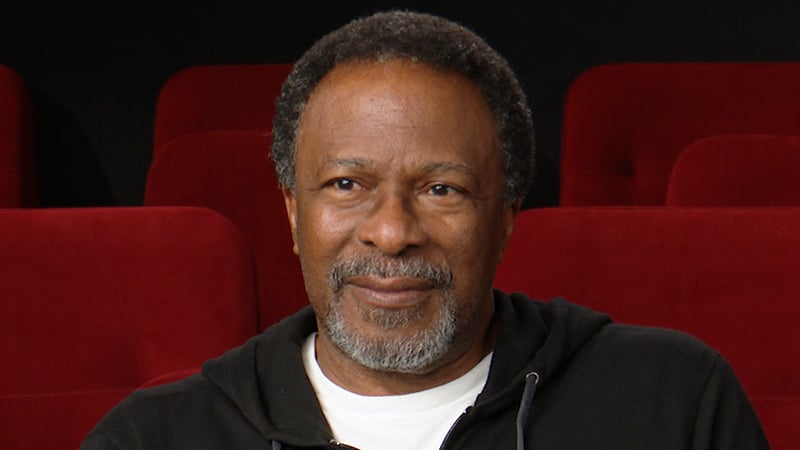
Born in Austin and raised in Smithville, Texas, Thomas Carter grew up watching television and films, enjoying programs such as Julia starring Diahann Carroll and feature film performances by Sidney Poitier, among others. Encouraged by his parents, Carter discovered his love of theater and music at a young age and decided to pursue it as a career. While attending Texas State University, he co-founded Ebony Players, a Black theater troupe who were invited to perform the inaugural play at Lyndon B. Johnson State Park and Historic Site by Lyndon B. Johnson. Upon graduating from Texas State University, he moved to Los Angeles, was accepted into Jeff Corey’s acting class and secured both a commercial and theatrical agent. Through his persistence and determination, Carter landed his first acting job on a pilot called The Cop and the Kid. This led to additional acting jobs, most notably in the dramatic series The White Shadow.
Although part of The White Shadow’s main cast, Carter had a lot of downtime on the set. Interested in the process, he observed, talked to crewmembers, and attended dailies. He was eventually invited to observe the editing process when executive producer Bruce Paltrow noticed and encouraged Carter’s interest in filmmaking, eventually allowing Carter to shadow him on a pilot. He was then given the opportunity to direct an episode of The White Shadow.
Carter has been a director for more than 45 years, directing such programs as Fame, Hill Street Blues, Remington Steel, The New Alfred Hitchcock Presents, Amazing Stories, Harry’s Law, Bosch, and The Morning Show. He has also directed over 10 pilots, including the pilots for St. Elsewhere, Miami Vice, Heart of the City, and Equal Justice, which he co-created and executive produced. He has also directed movies for television, including Under the Influence (1986) and Gifted Hands: The Ben Carson Story (2009); as well as features, including Swing Kids (1993), Metro (1997), Save the Last Dance (2001), Coach Cater (2005), and When the Games Stands Tall (2014).
Carter has served five terms on the Western Directors Council, a term on the National Board, two terms on the Negotiating Committee (BA/FLTTA), and was a member of the Theatrical Creative Rights Committee for 17 years. He has been nominated twice for a DGA Award, with a win in the Dramatic Series category for his direction of Hill Street Blues: The Rise and Fall of Paul the Wall.
He has been a Guild member since 1979.Select Viewing Option:
Highlights